Caravan Home Decor tabletop scene
go483
Prepared for Caravan Home Decor

Your product.
Working harder
than it is now.

You have a beautifully conceived line. What follows is how we make it sell the way it deserves to — without a new shoot, without a new strategy, and without adding to your workload.
The product exists.
The context does not.

Most tabletop and textile brands arrive at the same place: beautiful product, disconnected imagery. Each image was made for a purpose. None of them are working together.

What most brands have
One image per product, made independently
Lifestyle imagery that shows the setting, not the line
Detail shots that answer craft questions, nothing else
Assets that require interpretation from the buyer
Single-item orders from customers who didn't see the full line
What changes
One scene that introduces the entire coordinated line
A hero that shows the bowl, the plate, the textile together
Detail crops that answer buying questions in sequence
Assets that do the selling without explanation
Multi-item orders from buyers who understood the line

Five images.
Five different buying questions answered.

Each image in the set does a specific job. Hover to see what each one is doing — and why the sequence matters.

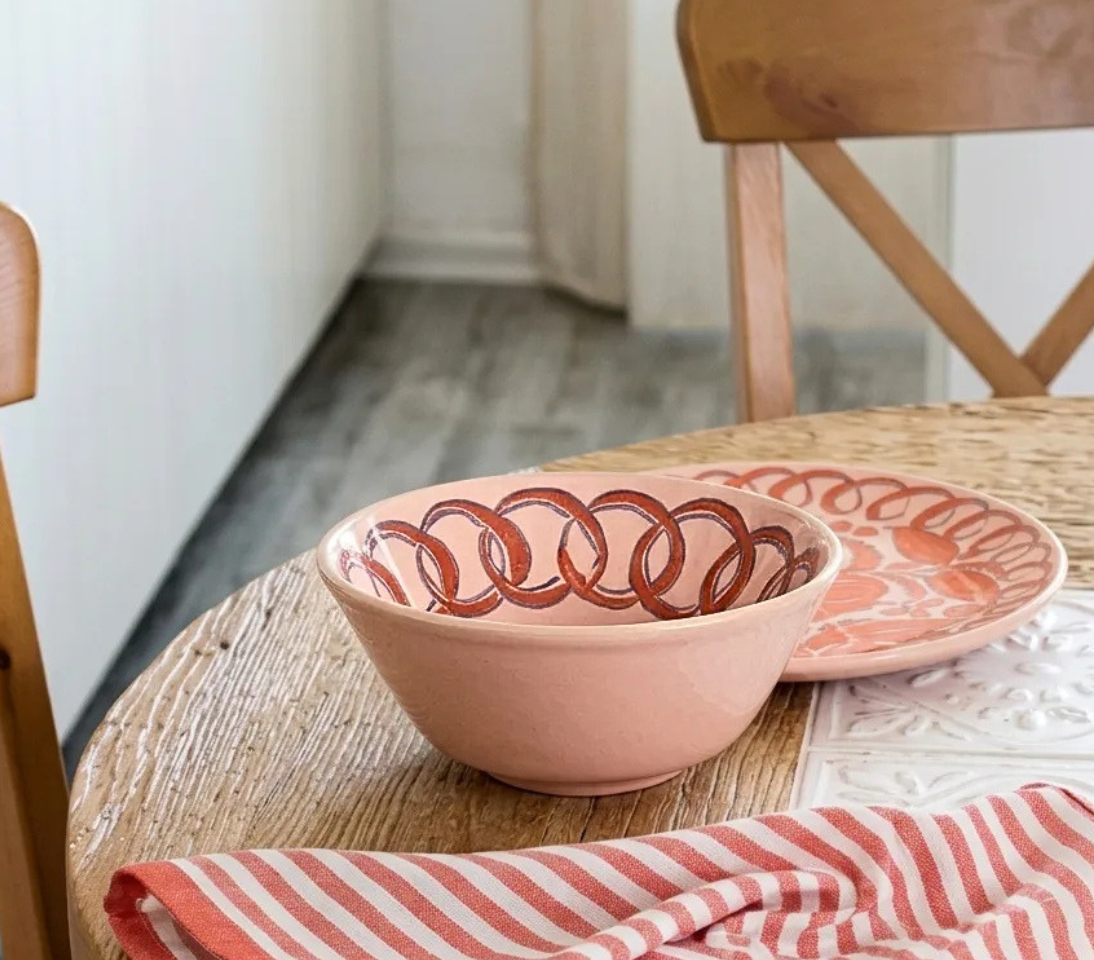
Hero scene
01 — Hero
Orientation + Desire
"I can see this in my home."
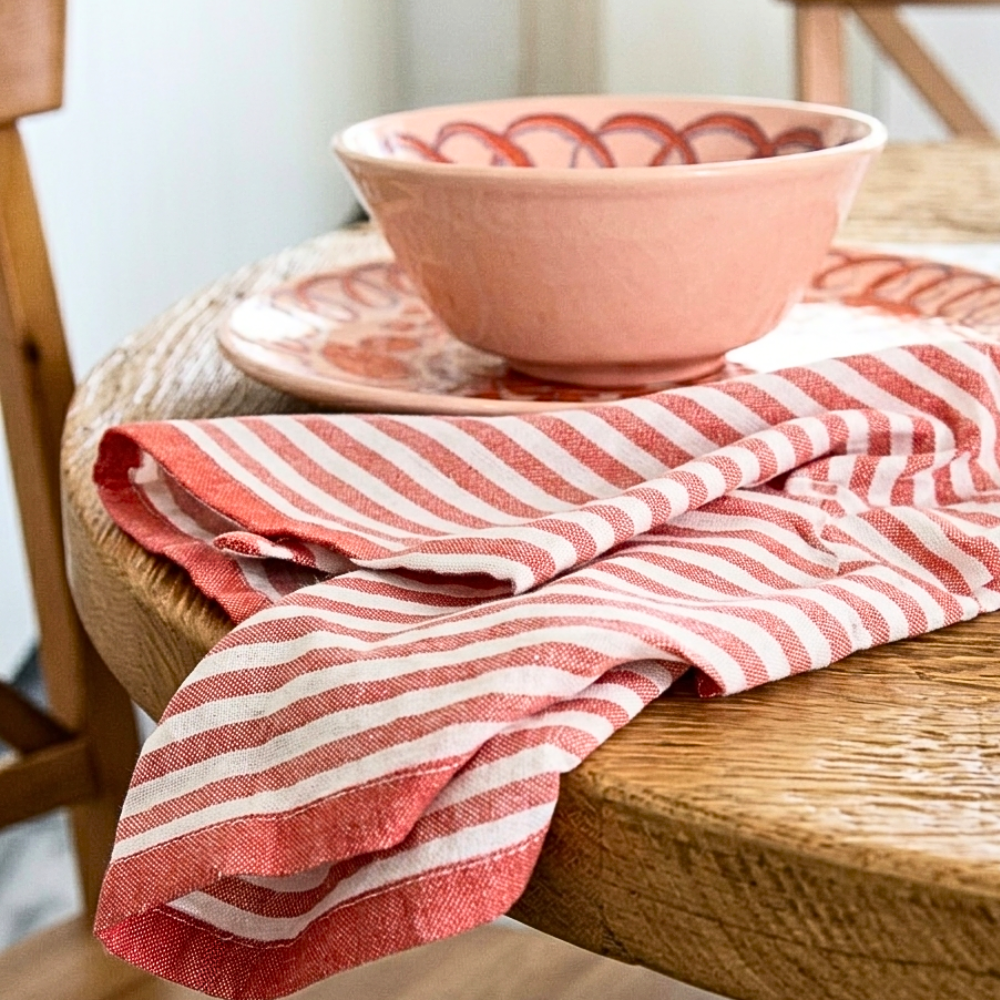
Variation scene
02 — Variation
Believability + Continuity
"This feels real, not staged."
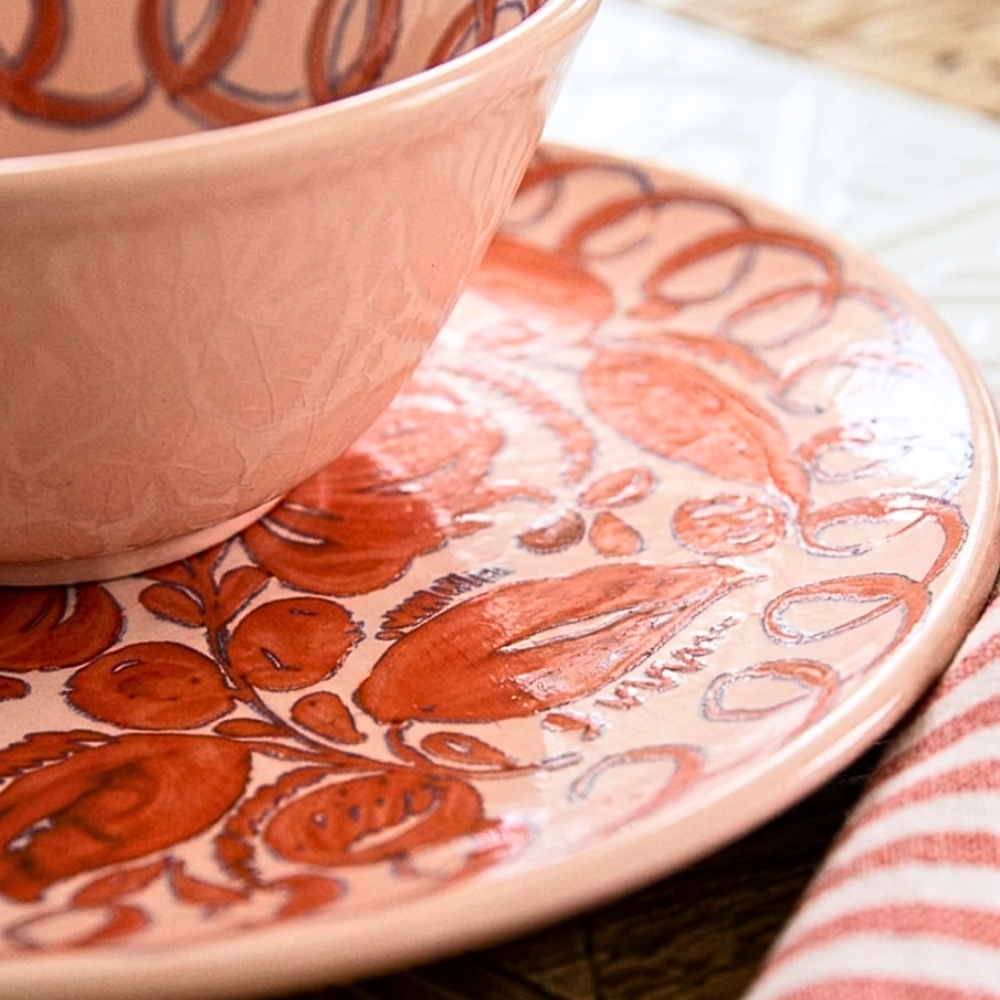
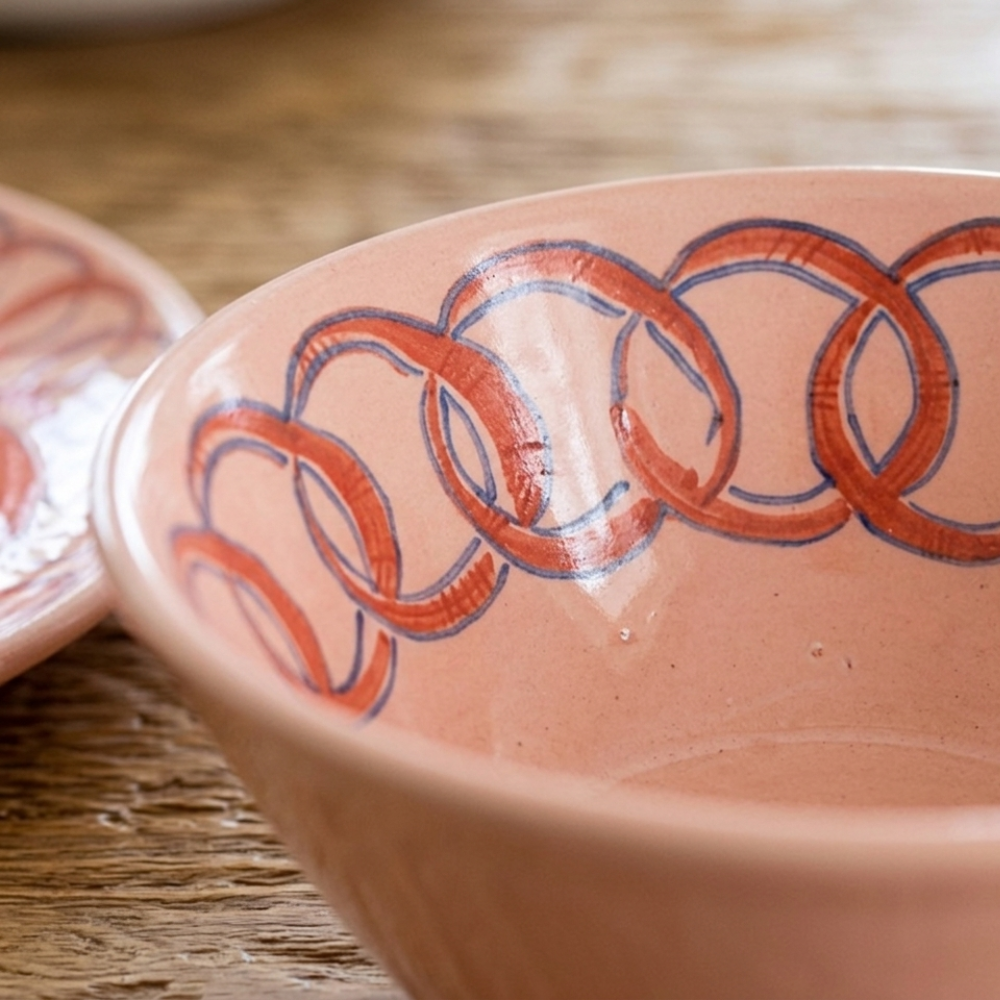
Bowl detail
03 — Craft Detail
Quality + Worth
"Is this handmade? Is it worth it?"
Plate detail
04 — Pattern Detail
Design Depth + Uniqueness
"Is this unique or mass-produced?"
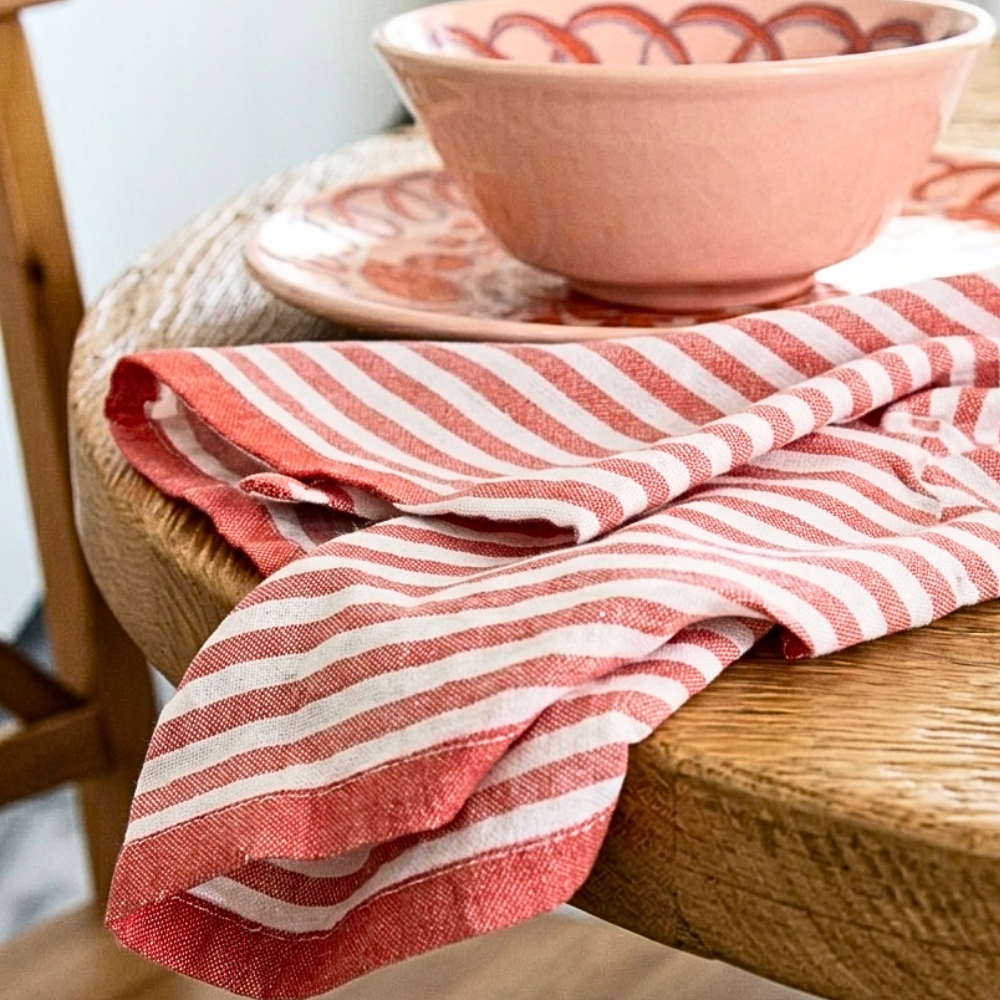
Napkin lifestyle
05 — Lifestyle
Texture + Fit
"Does this belong in my life?"

Remove hesitation.
In order.

A customer doesn't make one decision. They make five — each one a question that either gets answered or stalls the sale. The system answers them in sequence.

Hero scene → "That looks nice. I can picture that in my space." The bowl, the plate, the textile — introduced together. The customer sees the line, not a product.
Variation image → "That feels real." The same setup, slightly shifted. Removes the feeling of staging. Suggests a life being lived with these pieces, not a catalog being sold from.
Bowl close-up → "That's well made." Glaze variation. Brushwork. Rim detail. The customer confirms the product is worth what you're asking. Hesitation drops.
Plate close-up → "I like the design." The full motif becomes visible. The layering with the bowl makes sense now. Imperfections read as craft, not defect. The customer commits to the aesthetic.
Napkin edge shot → "I could use that." Fabric quality. Drape. Texture against ceramic. The customer stops imagining and starts planning. Then they buy — and they buy more than one piece.

More sales.
Same products.
Same process.

This is not a creative upgrade. It is a revenue argument. When every buying question is answered before the customer has to ask it, three things happen.

Faster
Customers move through the decision without friction. The imagery did the selling before they arrived at the cart.
More
Multi-item orders increase when the line is shown as a line. The bowl buyer becomes the bowl, plate, and napkin buyer.
Scalable
The scene is built once. New product drops in. Seasonal variations extend it. You don't start over — you build on what exists.

You build it once.
It works everywhere
your product goes.

Your imagery doesn't stop at your front door. Every retail account carrying your line is presenting your product to their customers — with whatever assets you gave them. The system determines what that experience looks like across every channel you don't directly control.

Bed Bath & Beyond & retail platforms
Your imagery becomes their merchandising.

When Bed Bath & Beyond lists your product, they use what you provide. A coherent image system — hero, detail crops, lifestyle context — gives their merchandising team something to actually work with. Your product is presented the way it deserves to be, on a platform you don't control, to an audience you didn't have to reach yourself.

Wholesale & Faire
The buyer sees the line before they place the order.

A wholesale buyer evaluating your Faire page isn't just looking at products. They're deciding whether the line will sell on their floor. When the imagery shows the bowl, the plate, and the textile as a coordinated story, the opening order reflects that. They buy the line, not the item.

In-store retail
A tear sheet tells the story the associate can't.

A retail associate selling a $150 coordinated set needs something in their hands. A tear sheet built from your image system — hero on top, detail crops below, color story visible at a glance — gives them the narrative. Your brand story travels into every store carrying your line without you ever being in the room.

Reorder behavior
What sold well gets reordered. Imagery determines what sells.

Retail accounts reorder based on sell-through. Sell-through is influenced by how the product is presented at point of sale and online. Imagery that makes the line easy to understand and easy to sell lifts reorder rates across every account — automatically, without additional effort from your team.

"You have already done the hard work of getting into retail. The imagery is the last mile that determines whether those accounts perform."

The Placement System — go483

Start with one scene.

We build from your existing product images. No shoot. No added process. Just a session designed around your line — and a clear picture of what changes when the imagery is working correctly.

Begin the conversation

This page was prepared specifically for Caravan Home Decor.